Google AI Mode is reshaping the way users search online and how websites show up in search results. This revolutionary feature, introduced in 2025, marks a dramatic shift in how businesses need to approach SEO. With Google AI Mode now a central component of Google Search, it’s crucial for digital marketers and SEO professionals to understand what this means for the future of online visibility and traffic.
This blog will explore what Google AI Mode is, how it works, and how businesses can adapt their SEO strategies to stay competitive in the changing digital landscape.
What is Google AI Mode?
Google AI Mode is a new search feature launched by Google in May 2025. It uses artificial intelligence to provide users with direct, summarized answers to their queries, rather than the traditional list of search results.
With AI Mode, users can engage in more interactive, dynamic searches and even ask follow-up questions to refine their results.
Powered by Google’s Gemini 2.5 model, Google AI Mode allows for faster, more accurate responses. Instead of navigating through multiple web pages, users get comprehensive answers, relevant links, and even the ability to take immediate actions, such as booking a ticket or making a reservation, directly from the search results page.
This shift presents a fundamental change in how search engines operate, placing a greater emphasis on delivering high-quality, contextually relevant content directly to the user.

How Google AI Mode Works
The core difference between Google AI Mode and traditional search is that it moves beyond the simple “ten blue links” format. Instead of providing a list of links for users to click through, Google AI Mode generates detailed responses based on the query. Here’s how it works:
1. Deep Research Summaries: Google pulls data from trusted sources and presents users with concise, well-rounded summaries directly in the search results.
2. Visual Search with Google Lens: Users can search for products or objects using images, and AI Mode instantly identifies them, providing prices, store suggestions, and even virtual try-ons.
3. Agentic Search: Google’s AI can act as a personal assistant, helping users compare options, book flights, or perform other tasks without navigating away from the search results.
4. Hyper-Personalized Results: As users interact with search results, Google’s AI learns from their behavior and tailors future search results to provide more relevant answers based on their preferences.
Why is Google AI Mode a Game-Changer for SEO?
1. No More Traditional Ten Blue Links
Google AI Mode moves away from the traditional model of providing multiple links. Instead, it answers queries directly. If your content isn’t cited in these AI-generated responses, it may be invisible to users, significantly reducing your website’s traffic.
2. Increased Competition for Visibility
Since Google AI Mode doesn’t rely on clickable links, only content that is deemed relevant and high-quality by the AI is featured. This increases competition for visibility, as businesses must now ensure their content is structured in a way that meets AI standards and user expectations.
3. Faster User Interactions
With Google AI Mode, users get their answers quickly without needing to navigate multiple websites.
While this may be convenient for users, it could result in a decline in organic traffic to websites that are not directly cited in the AI Mode responses. Therefore, optimizing content for this new format is crucial.
The Impact of Google AI Mode on SEO
Hyper-Personalization and Local SEO
Google AI Mode significantly enhances personalization. The AI tailors search results based on the user’s behavior, preferences, and location.
For businesses targeting specific regions, this makes local SEO even more important. Content should be optimized not only for global audiences but also for local needs, ensuring it meets the demands of specific locations and cultural preferences.
EEAT: Expertise, Authoritativeness, and Trustworthiness
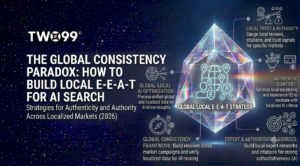
Google’s AI Mode prioritizes content that demonstrates Experience, Expertise, Authoritativeness, and Trustworthiness (EEAT). This means that websites must focus on providing authoritative, well-researched content that establishes trust with users.
Content that lacks these signals may struggle to gain visibility, especially in an AI-driven search environment.
How Can SEOs Adapt to Google AI Mode?
To succeed in the age of Google AI Mode, SEO strategies must evolve. Here are some key steps to adapt to this new search experience:
Focus on High-Quality, Authoritative Content: Content must provide value to users and be backed by credible sources. If Google’s AI determines that your content is relevant, informative, and trustworthy, it has a better chance of being featured in AI Mode responses.
Structure Content for AI Readability: Use clear headings, bullet points, and concise paragraphs. Structured data and schema markup help AI understand your content better.
Optimize for Local SEO: Ensure your website is mobile-optimized and local business listings are accurate for location-based queries.
Monitor AI Mode Performance: Track rankings and visibility to see how your content performs in AI-powered results.
Navigating the Future of SEO with Google AI Mode
The introduction of Google AI Mode marks a turning point in SEO. Businesses must rethink their strategies, focusing on creating authoritative content that answers users’ needs directly.
Google AI Mode rewards content that is high-quality, well-structured, and relevant to users, making traditional SEO techniques like keyword optimization just one part of the equation.
Adapting to AI-powered search requires embracing new strategies, including a focus on content quality, personalization, and AI optimization. By staying ahead of these changes and optimizing for the evolving needs of search engines, businesses can ensure they remain competitive in the AI-driven future of SEO.
Key Takeaways
-
Google AI Mode changes how search works: Instead of showing “ten blue links,” Google now delivers direct, AI-generated answers with supporting sources and actions.
-
Visibility depends on being cited by AI: If your content is not selected by Google AI Mode, it may never be seen by users, impacting organic traffic.
-
Powered by Gemini 2.5: Google AI Mode uses advanced AI to deliver faster, more contextual, and interactive search experiences.
-
Search is becoming agentic and conversational: Users can ask follow-up questions, compare options, and complete tasks directly in search.
-
Competition for attention has increased: Only the most relevant, well-structured, and authoritative content earns visibility.
-
EEAT is more important than ever: Experience, Expertise, Authoritativeness, and Trustworthiness strongly influence AI selection.