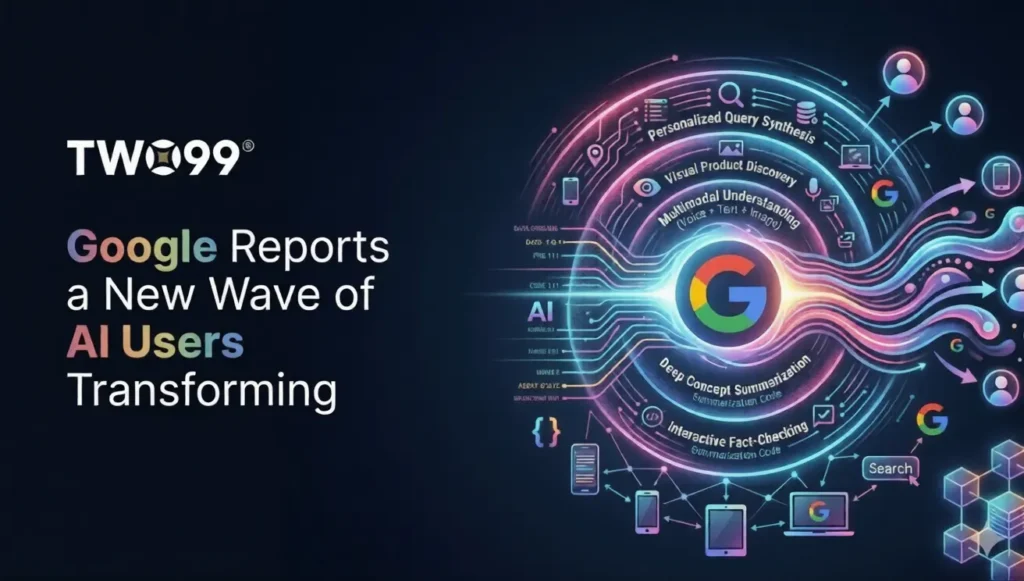
Google’s latest announcement highlights a seismic shift in how people search online, driven by a fresh wave of AI-powered users. This transformation is reshaping the search landscape, blending traditional queries with dynamic AI interactions. Whether you’re a marketer, content creator, or simply a curious browser, understanding this shift is crucial. Let’s dive into what this new wave means for search—and why it matters.
How AI is Changing the Face of Search
From Keywords to Conversations
For decades, Google’s search algorithm relied heavily on keywords typed by users to deliver relevant results. Now, AI enables search to evolve into a more conversational experience. Instead of inputting fragmented queries, users engage with natural language prompts—like chatting with a knowledgeable assistant. This shift profoundly alters user behavior, making searches more fluid and intent-driven.
Understanding Complex Intent
Earlier search systems struggled with nuanced questions or multi-step requests. AI-powered search understands context better, parsing complex intentions to provide precise answers. For example, a user asking, “What are some quick vegetarian dinners I can make with chickpeas?” gets tailored, practical recipes directly, instead of endless unrelated links. This level of understanding deepens engagement and satisfies user needs faster.
Who Are These New AI Users?
Diverse Demographics Adopting AI Search
Google’s report shows that a broad spectrum of users, from tech enthusiasts to casual internet users, now employ AI tools for searching. This wave isn’t limited to early adopters but includes older generations, students, professionals, and creatives who appreciate AI’s ability to distill information quickly. This growth signals widespread acceptance and integration of AI in everyday life.
Practical Applications across Industries
Different sectors are witnessing unique uses of AI search. For instance, educators use AI to generate lesson plans or simplify complex topics, marketers source fresh content ideas, and developers troubleshoot code with AI assistance. Understanding these real-world applications paints a clear picture of AI’s broad impact beyond casual searches.
Why This Wave Matters for SEO and Content Strategy
Shifting User Expectations
As AI-powered search improves, users expect more than just a list of links; they want instant, actionable insights. This rises the bar for content creators who must craft content that AI understands and prioritizes. Optimizing for conversational queries and natural language is no longer optional—it’s essential to stay relevant.
Adapting Content for AI-driven Search
Content strategies must evolve to align with AI’s understanding. This means focusing on well-structured, context-rich content, answering deeper questions, and anticipating follow-up queries. Incorporating schema markup and using clear, concise language helps AI interpret content better, increasing the chances of appearing in featured snippets or AI-generated responses.
Also View: AI Workflow Automation Solutions
Use Cases Demonstrating AI’s Search Transformation
Example 1: E-commerce Customer Interaction
An online shopper using AI search can explore product features, compare options, and receive personalized recommendations in a single session. Rather than navigating multiple pages, AI consolidates information, reducing friction and boosting conversion rates for retailers.
Example 2: Content Creators Leveraging AI for Research
Writers and content strategists use AI to rapidly gather insights, generate outlines, and even draft ideas. AI search acts as a collaborative assistant, streamlining workflows and enhancing creativity by providing timely, relevant data from diverse sources.
Example 3: Healthcare Professionals Accessing Medical Information
Doctors and nurses now use AI to quickly retrieve up-to-date medical research, drug information, and treatment protocols, enabling better decision-making and improved patient care. This real-time access transforms how medical knowledge is applied.
Also Read: Think SEO Is Dead? Meet AI Search Optimization
Key Benefits of AI Users Transforming Search
- Faster access to clear, concise information tailored to user needs
- More natural, conversational interaction improves user experience
- Greater context awareness enabling complex question resolution
- Enhanced personalization across industries and demographics
- New opportunities for marketers to optimize content for AI-driven discovery
Practical Takeaways for Navigating the AI Search Shift
- Optimize content for natural language queries and conversational tone
- Use structured data to help AI better understand your content
- Focus on answering specific, practical questions your audience may have
- Stay informed about evolving AI search features and updates from Google
- Leverage AI tools to inform content creation and keyword strategy
Common Questions About AI’s Impact on Search
How is AI changing traditional keyword-based SEO?
AI shifts the focus from simple keyword matching to understanding user intent and context. SEO now requires creating comprehensive content that addresses broader questions and conversational queries.
Are AI search users different from regular search engine users?
AI users include a broader demographic, many using AI to streamline research, automate tasks, and seek immediate, accurate answers, beyond casual web browsing.
What skills should content creators develop for AI-driven search?
Creating clear, structured, and context-rich content is crucial. Familiarity with natural language processing concepts and schema markup will give content a competitive edge.
Is AI search replacing traditional search engines?
Not entirely. AI enhances search by providing richer, more interactive experiences alongside traditional results. Both will coexist, complementing how we find information.
Seize the Future with Learn with Sumit (LWS)
Google’s new wave of AI users is just the beginning. For anyone invested in search, content, or digital marketing, embracing this AI-powered transformation is key to staying ahead. Learn with Sumit (LWS) offers insights and strategies tailored to this evolving landscape—helping you master AI-driven search and optimize content that truly connects with your audience. Don’t wait for the next wave; ride it confidently with LWS.
Key Takeaways
AI is transforming search from keyword-based queries to conversational interactions.
Users now expect instant, accurate, and actionable answers instead of just links.
AI improves understanding of complex queries and user intent.
Adoption of AI search is growing across all demographics and industries.
Content strategies must evolve to focus on natural language and context-rich information.
Structured data and clear formatting help improve visibility in AI-driven search results.