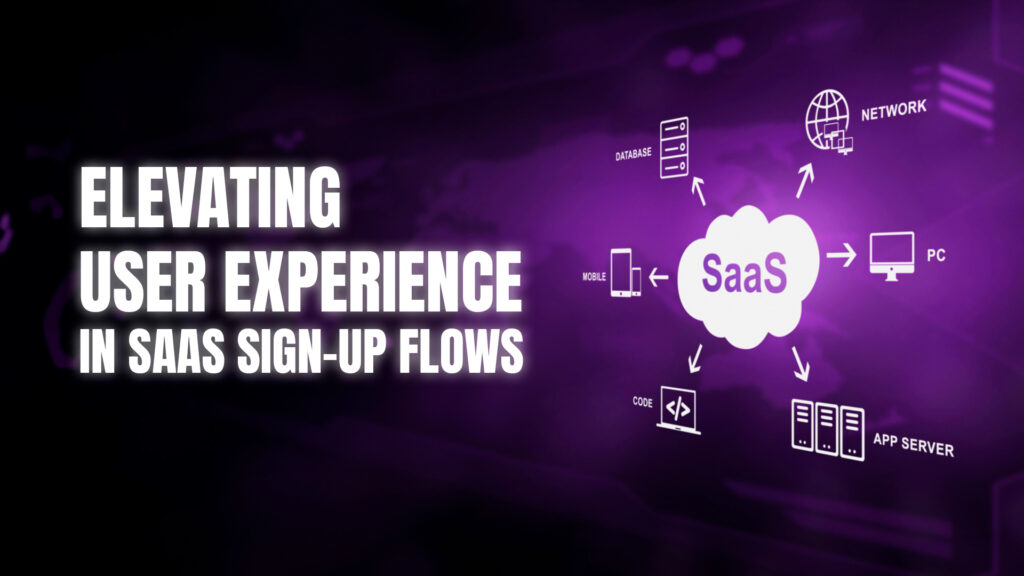
In the highly competitive SaaS landscape, the user journey begins long before product adoption. It starts at the sign-up screen. This first interaction shapes perception, builds trust, and often determines whether a visitor becomes a customer or leaves without a trace. A seamless, intuitive sign-up flow is no longer optional. It is a core driver of conversions, engagement, and long-term retention.
Why a Frictionless Sign-Up Matters
The sign-up flow is often the very first touchpoint between a SaaS brand and its future users. When this experience feels complicated, slow, or intrusive, users abandon the process almost instantly. Research by Baymard Institute shows that nearly one in four users leave sign-up flows due to unnecessary complexity or lengthy forms.
Optimising this stage is not simply about reducing friction. It is about sending a clear message that you respect the user’s time and understand their intent.

Proven Strategies to Improve SaaS Sign-Up Conversion
Reduce Form Fields
Shorter forms consistently outperform longer ones. Fewer fields lower cognitive effort and speed up completion. Many SaaS platforms have seen conversion rates rise dramatically after removing non-essential questions from the first step of registration.
Enable Social Sign-Ups
Allowing users to register using Google, LinkedIn, or other trusted accounts removes the need for manual data entry. This not only speeds up the process but also builds credibility and improves sign-up completion rates.
Use Progress Indicators
Multi-step sign-ups often fail because users feel uncertain about how long the process will take. Progress bars or step indicators reduce anxiety and help users commit to finishing the flow.
Deliver Immediate Value
Onboarding should not end at account creation. A short guided tour, sample data, or instant access to a key feature reassures users that they made the right choice and encourages early engagement.
Case Study: How ABC SaaS Improved Conversions
ABC SaaS, a project management platform, redesigned its sign-up journey to remove unnecessary steps and introduce visual progress indicators. They also added a short product walkthrough immediately after registration.
The results were significant. Sign-up completions increased by 15 percent, and abandonment dropped by 30 percent. User feedback consistently mentioned clarity, speed, and ease of use as key improvements.
The Real Impact on Growth and Retention
A smooth sign-up experience directly affects revenue. Higher completion rates lead to more activated users, better trial engagement, and stronger long-term retention. Most importantly, it sets the foundation for trust. When the first interaction feels effortless, users are far more likely to explore, adopt, and recommend the product.
Conclusion
A frictionless sign-up flow is not just a UX improvement. It is a growth strategy. By simplifying forms, reducing steps, enabling social logins, and guiding users early, SaaS companies can dramatically improve conversion rates and user satisfaction.
At Two99, we design sign-up experiences that feel natural, fast, and user-first. If you want your product to convert more visitors into loyal customers, start where it matters most the very first click.
Key Takeaways
The sign-up flow is the first and most critical user experience touchpoint
Reducing friction directly increases conversion and activation rates
Shorter forms and social logins improve completion speed and trust
Progress indicators reduce anxiety in multi-step sign-ups
A smooth sign-up experience sets the foundation for long-term retention